
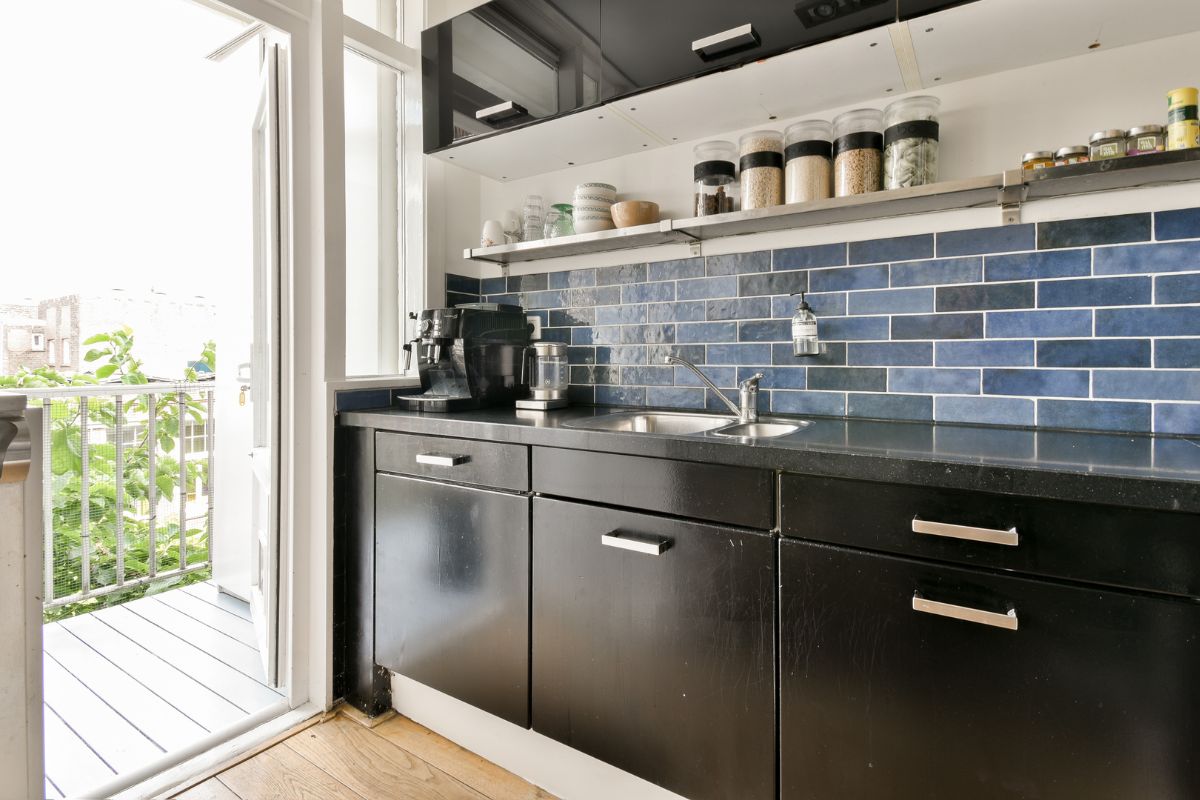
Designing a Timeless Kitchen with Beautiful Backsplashes and Complementary Paint Schemes
30 Seconds Summary
- A timeless kitchen design focuses on simplicity, balance, and long-lasting style rather than trends. Start with a neutral base, such as white, cream, warm gray, or soft beige, for cabinets and walls to keep the space flexible over time. For backsplashes, classic materials like subway tiles, marble, or natural stone work best; their subtle patterns add texture without overwhelming the design.
- To create harmony, choose paint colors that complement the backsplash rather than compete with it, such as soft whites for marble, warm taupes for stone, or muted greens and blues for a gentle contrast. Keep finishes cohesive: pair warm tones with brass or wood accents, and cooler tones with stainless steel or chrome.
- The key is restraint: limit bold colors, mix textures thoughtfully, and ensure everything feels connected so the kitchen remains elegant and relevant for years.
A timeless home interior is not built on trends alone but on a careful balance of materials, color harmony, and enduring design principles. Kitchens and bathrooms, in particular, benefit most from this approach because they are high-use spaces where visual fatigue can set in quickly if the design is overly fashionable or poorly coordinated. A well-designed kitchen backsplash paired with a thoughtful paint scheme can anchor the entire home aesthetic, while bathroom tiles extend the same design language into a more intimate, functional environment.
This guide explores how to design a timeless kitchen with beautiful backsplashes and complementary paint schemes, and connects these principles to bathroom tile design so the entire home feels cohesive. For related color planning ideas, see these tips on choosing the right color palette for your home’s interior.
What Makes a Kitchen “Timeless”?
A timeless kitchen avoids extremes. It does not lean too heavily into fleeting trends like overly bold neon colors, hyper-industrial finishes, or overly ornate classical detailing that can feel dated within a few years. Instead, it rests on three principles:
Neutral Foundations
Timeless kitchens usually begin with a neutral base:
- Whites, warm or soft white rather than stark clinical white
- Soft grays
- Beige, taupe, or greige tones
- Natural wood finishes
These colors provide flexibility and longevity.
Natural and Durable Materials
Stone, ceramic, wood, and metal are central to timeless design:
- Marble or quartz countertops
- Ceramic or porcelain backsplashes
- Hardwood or wood-look flooring
- Brushed nickel, brass, or matte black fixtures
These materials age gracefully when maintained properly.
Balanced Simplicity
Timeless design avoids clutter in visual composition. Cabinetry is typically:
- Flat-panel or Shaker-style
- Minimal ornamentation
- Clean lines and consistent proportions
The goal is not minimalism for its own sake, but clarity and balance.
The Role of the Kitchen Backsplash in Timeless Design
The backsplash is both functional and expressive. It protects walls from moisture, grease, and heat while also serving as a visual focal point.
A timeless backsplash should enhance the kitchen without dominating it.
Classic Tile Choices
Subway Tiles
The most iconic timeless backsplash option is the subway tile. Its appeal lies in its simplicity and adaptability.
- Works in traditional and modern kitchens
- Can be laid in different patterns, including brick, herringbone, and vertical stack
- Typically in white, cream, or soft gray
Subway tiles remain relevant because they are visually calm and structurally consistent.
Marble Slabs or Marble-Look Tiles
Marble introduces subtle luxury without overwhelming the space.
- Soft veining adds natural movement
- Carrara and Calacatta are popular choices
- Large-format slabs reduce grout lines for a clean look
Zellige Tiles
Handcrafted Moroccan zellige tiles have become popular, but they can still be timeless if used in restrained palettes.
- Slight irregularities add depth
- Works best in neutral tones like white, sand, or muted green
Natural Stone and Travertine
These materials bring warmth and earthiness.
- Ideal for rustic or Mediterranean-inspired kitchens
- Best used in honed finishes rather than polished for timeless appeal
Layout Matters More Than Trend
Even a simple tile can look modern or classic depending on layout:
- Horizontal brick pattern: traditional and stable
- Vertical stack bond: slightly modern but still clean
- Herringbone: adds subtle sophistication without excess ornamentation
- Full slab backsplash: minimalist and luxurious
The key is restraint. A single pattern should dominate rather than mixing multiple visual effects.
Grout as a Design Element
Grout is often overlooked but plays a major role in timelessness.
- Matching grout creates a seamless, calm appearance
- Slightly contrasting grout emphasizes pattern but should remain subtle
- Avoid overly bold grout colors unless intentionally designing a statement kitchen
Complementary Paint Schemes for Kitchens
Paint is what ties the entire kitchen together. Even the most beautiful backsplash can feel disconnected if wall and cabinet colors are not carefully chosen. For more help with durable paint selections, see these interior painting ideas for high-humidity homes.
The Foundation: Cabinet Color Strategy
Cabinets occupy the largest visual surface area in most kitchens.
White Cabinets
- Classic, clean, and adaptable
- Works with almost any backsplash material
- Best paired with warm whites or soft grays on walls to avoid sterility
Soft Gray Cabinets
- Elegant alternative to white
- Works well with marble and stone backsplashes
- Pairs beautifully with brass or matte black fixtures
Natural Wood Cabinets
- Bring warmth and organic character
- Pair well with neutral or earthy paint tones
- Best complemented by simple backsplash designs
Wall Paint Colors That Enhance Backsplashes
The walls should not compete with the backsplash. Instead, they should frame it.
Warm Whites
- Creamy whites soften tile textures
- Prevent harsh contrast
- Ideal for small kitchens
Greige: Gray and Beige
- One of the most versatile, timeless colors
- Works with both warm and cool tones
- Blends well with stone and ceramic backsplashes
Soft Sage or Muted Green
- Adds subtle color without overwhelming
- Pairs beautifully with natural materials
- Works especially well in kitchens with wood elements
Dusty Blue or Muted Navy, Used Sparingly
- Best for accent walls or cabinetry rather than full coverage
- Provides depth without feeling trendy if muted properly
Ceiling and Trim Considerations
A timeless kitchen also considers architectural continuity:
- Ceilings are typically kept in lighter shades to expand visual height
- Trim should match cabinetry or be slightly brighter for definition
- Consistency in trim color across the home improves cohesion
The right finish also matters. This guide to choosing the right interior paint sheen can help when comparing glossy, satin, and matte finishes.
Creating Harmony Between Backsplash and Paint
The relationship between backsplash and paint should feel intentional but not forced.
The 60-30-10 Rule in Kitchens
A helpful guideline:
- 60% dominant color, such as cabinets or walls
- 30% secondary color, such as countertops or backsplash
- 10% accent color, such as hardware or decor
This prevents visual overload.
Texture Balance
If the backsplash is highly textured, like handmade tile, keep paint smooth and simple. If the backsplash is very minimal, like a slab, paint can introduce subtle depth through undertones.
Warm vs. Cool Coordination
- Warm backsplash materials, such as beige stone and brass accents, pair best with warm whites and earthy tones
- Cool materials, such as gray marble and stainless steel, pair best with cool whites and soft gray paints
- Mixing warm and cool tones is possible but should be intentional, often bridged by neutral elements like wood
Extending Design Principles to Bathroom Tiles
Bathrooms are smaller but more detail-sensitive. Because of their scale, tile choices become even more impactful.
Bathroom Tile as a Design Continuation
A cohesive home often repeats materials or color families. For additional bathroom tile inspiration, explore bathroom mosaic tile collections that show how texture, color, and pattern can work together in smaller spaces.
- Kitchen backsplash tile tones can reappear in bathroom walls
- Paint schemes from the kitchen can influence bathroom cabinetry or trim
- Stone or wood tones unify the entire home
Classic Bathroom Tile Choices
Subway Tiles in Bathrooms
Still one of the most timeless bathroom options:
- Works for shower walls and wainscoting
- Can be stacked or offset for subtle variation
- Easy to maintain and visually calm
Mosaic Tiles
Used carefully, mosaics add texture:
- Best for shower floors or niches
- Small-scale patterns should remain neutral in color
- Avoid overly complex geometric designs for timelessness
Large-Format Porcelain Tiles
Modern but still timeless when used minimally:
- Reduce grout lines
- Create spa-like atmosphere
- Mimic natural stone effectively
Marble Tiles
Luxury bathroom staple:
- Works well on walls or floors
- Best when veining is soft and not overly dramatic
- Requires maintenance but offers enduring elegance
Bathroom Color Schemes
Bathroom paint and tile coordination follows similar principles as kitchens:
Soft White Bathrooms
- Clean, spa-like feeling
- Works best with warm lighting to avoid sterility
Earthy Neutrals
- Beige, sand, and taupe create warmth
- Excellent for pairing with stone tiles
Muted Greens and Blues
- Promote relaxation
- Work especially well with natural stone or white tiles
The Importance of Lighting in Bathrooms
Lighting significantly affects tile perception:
- Cool lighting emphasizes cleanliness but can feel harsh
- Warm lighting enhances texture and softness
- Layered lighting, including ambient, task, and accent lighting, ensures balance
Linking Kitchen and Bathroom Design for Whole-Home Harmony
A timeless home does not treat rooms as isolated design islands.
Repetition of Materials
- Repeat backsplash tones in bathroom tiles
- Use similar metals across kitchen and bath fixtures
- Maintain consistent trim and door colors
Color Family Consistency
Even if colors differ, they should belong to the same family:
- Warm neutrals throughout
- Cool neutrals throughout
- Earth tones throughout
Controlled Variation
Variation is necessary but should be subtle:
- Kitchen may feature a glossy backsplash, bathroom matte tile
- Kitchen may have warmer tones, bathroom slightly cooler versions of same palette
Common Mistakes That Break Timeless Design
Overusing Trendy Colors
Bright accent colors or overly saturated palettes often age quickly.
Mixing Too Many Tile Styles
A kitchen or bathroom with multiple competing tile patterns loses cohesion.
Ignoring Grout Color
Poor grout choices can disrupt even the best tile selections.
Over-Decorating Walls
Paint should support architecture, not compete with it.
Conclusion
Designing a timeless kitchen with beautiful backsplashes and complementary paint schemes is less about following trends and more about understanding the balance between light and texture, warmth and coolness, simplicity and detail. The backsplash serves as a functional focal point, while paint provides the emotional tone of the space. Together, they define the kitchen’s personality.
Extending these principles into bathroom tile design ensures that the entire home feels unified rather than fragmented. Whether through subway tiles, natural stone, or large-format porcelain, the goal remains the same: quiet elegance that endures.
A well-designed home does not demand attention. Instead, it rewards it gradually, revealing harmony in materials, colors, and proportions over time.


