
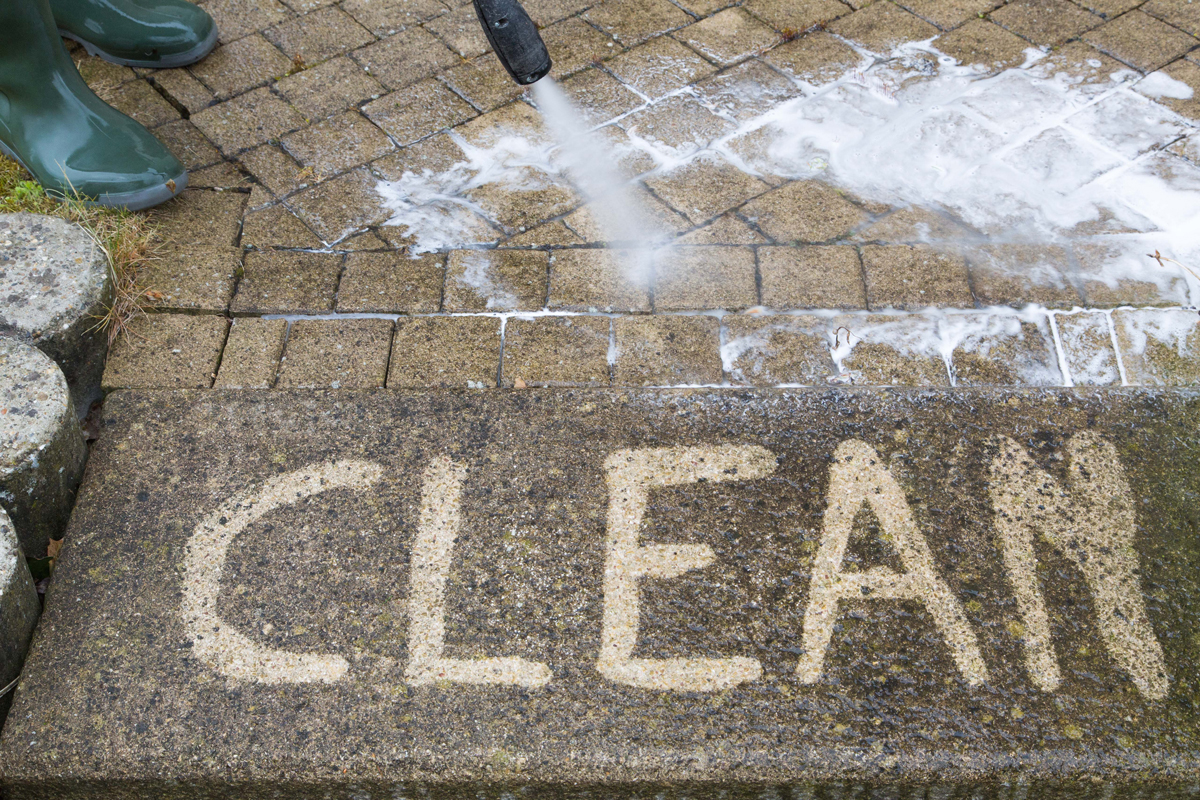
If you want an exterior paint job that looks clean and lasts, the prep work matters just as much as the paint you choose. Over time, siding and trim collect dirt, pollen, mildew, and chalky residue from old paint. If you paint over that layer, the new paint has a harder time bonding and you can end up with peeling, bubbling, or a patchy finish way sooner than you should.
Pressure washing clears away the buildup so primer and paint can grip the surface properly. If you are planning a repaint, it helps to follow a full prep sequence like this step-by-step exterior painting prep guide and treat pressure washing as the foundation of the job.
Quick Checklist: Does Your Home Need Pressure Washing Before Painting?
- There is visible dirt or grime on siding, trim, soffits, or eaves
- You see green or black staining (mildew or algae) in shaded areas
- The existing paint feels chalky when you rub it with your hand
- Paint is peeling or flaking in multiple spots
- Spider webs and debris build up fast around corners and fixtures
What Pressure Washing Actually Does
Pressure washing (sometimes called power washing) uses a high-pressure stream of water to remove surface contaminants from siding, brick, stucco, trim, and other exterior materials. For painting, the goal is not just making the house look cleaner. The goal is creating a surface that is stable, clean, and ready for primer and paint.
This ties directly into adhesion and durability. If you want the bigger picture on why prep determines how long paint lasts, this article on proper surface preparation for paint application explains it well.
The Benefits of Pressure Washing Before Exterior Painting
1) Paint bonds better and is less likely to peel
Dirt, mildew, and chalky old paint residue act like a barrier between your home and the new coating. Pressure washing removes that barrier, which helps primer and paint bond evenly and reduces early peeling and bubbling.
2) The finish looks smoother and more consistent
A clean surface means fewer dark spots bleeding through and fewer areas where paint dries unevenly. You get a more uniform color and a cleaner overall look.
3) Your paint job can last longer
When the surface is properly cleaned and prepped, the entire paint system performs better. That typically means fewer touch-ups, fewer problem areas, and a longer window before repainting is needed.
4) It helps reveal problems you should fix before painting
One underrated benefit is visibility. Once the grime is gone, you can clearly see cracked caulk, rotted trim, loose boards, and failing paint edges that need to be addressed before primer goes on. Catching these issues early helps prevent moisture intrusion and paint failure later.
5) It saves time compared to hand scrubbing
Pressure washing is often the fastest way to clean large exterior surfaces thoroughly. That can reduce labor time and make the rest of the prep process more efficient.
Pressure Washing vs Hand Cleaning
| Method | Best for | Limitations |
|---|---|---|
| Pressure washing | Large areas, heavy buildup, faster prep | Must be done correctly to avoid damaging surfaces |
| Hand cleaning | Delicate areas, spot treatment, controlled cleaning | Slower and harder to get perfectly consistent results |
Safety and “Do It Right” Notes
Pressure washing can damage wood, force water behind siding, or gouge softer materials if the pressure is too high or the nozzle is too close. If you are not comfortable dialing in the right settings for your siding type, it may be safer to hire a professional.
For general pressure washer safety guidance, the Consumer Product Safety Commission shares basic tips here: Pressure washer safety (CPSC).
Next Steps Before You Paint
After washing, let the exterior dry fully before priming or painting. Dry time depends on weather, material type, and how much water was used, but rushing this step is one of the fastest ways to trap moisture and shorten the life of your paint job.
If you are deciding whether to DIY or hire it out, this post on the pros and cons of hiring professional painters can help you weigh the tradeoffs.
Ready to Prep Your Exterior the Right Way?
If you want help with exterior prep and painting, Plus Services Atlanta can guide you through the process and make sure the surface is properly cleaned, repaired, and ready for a finish that lasts. When you are ready, reach out through our contact page to schedule a quote.


